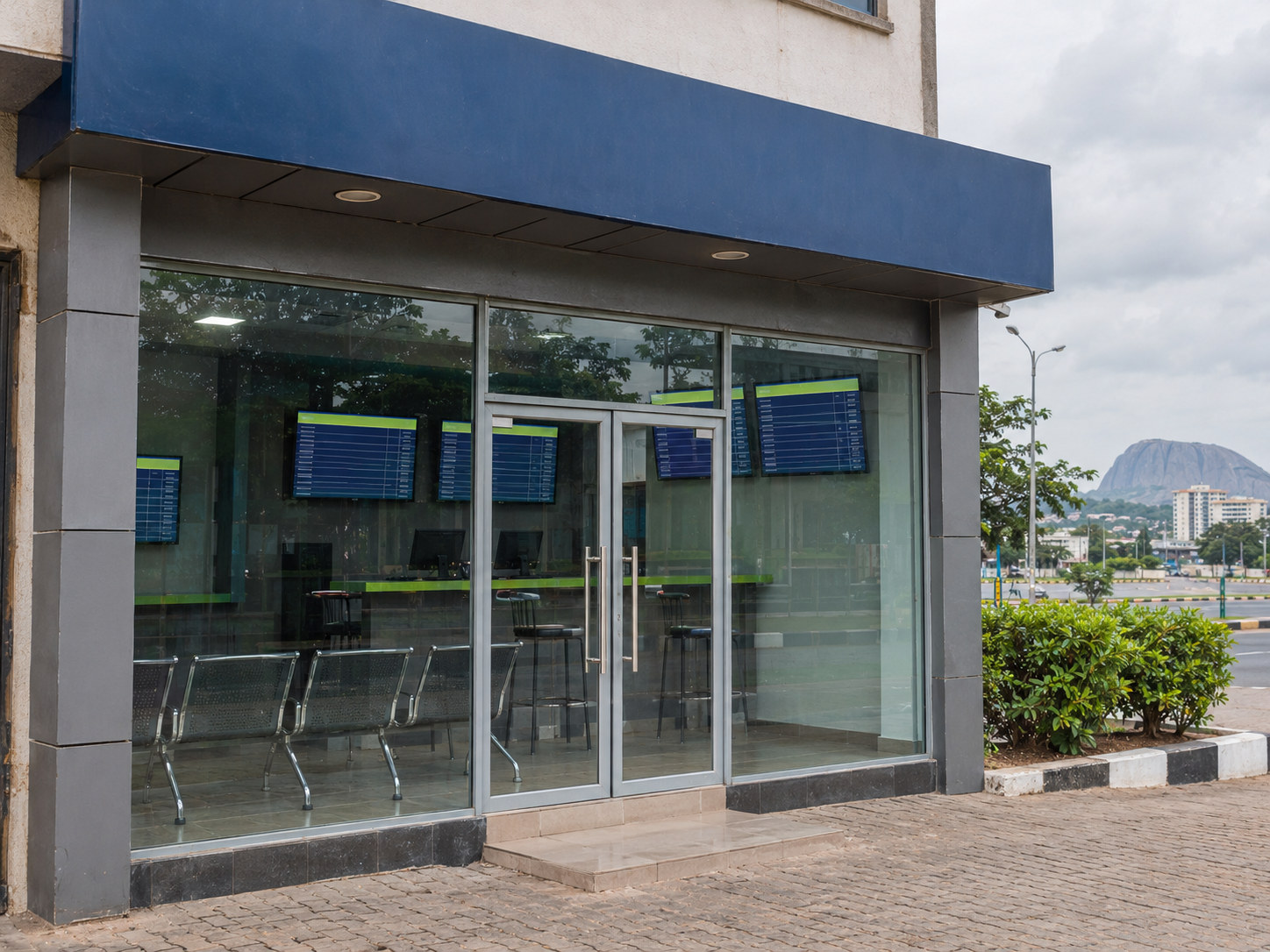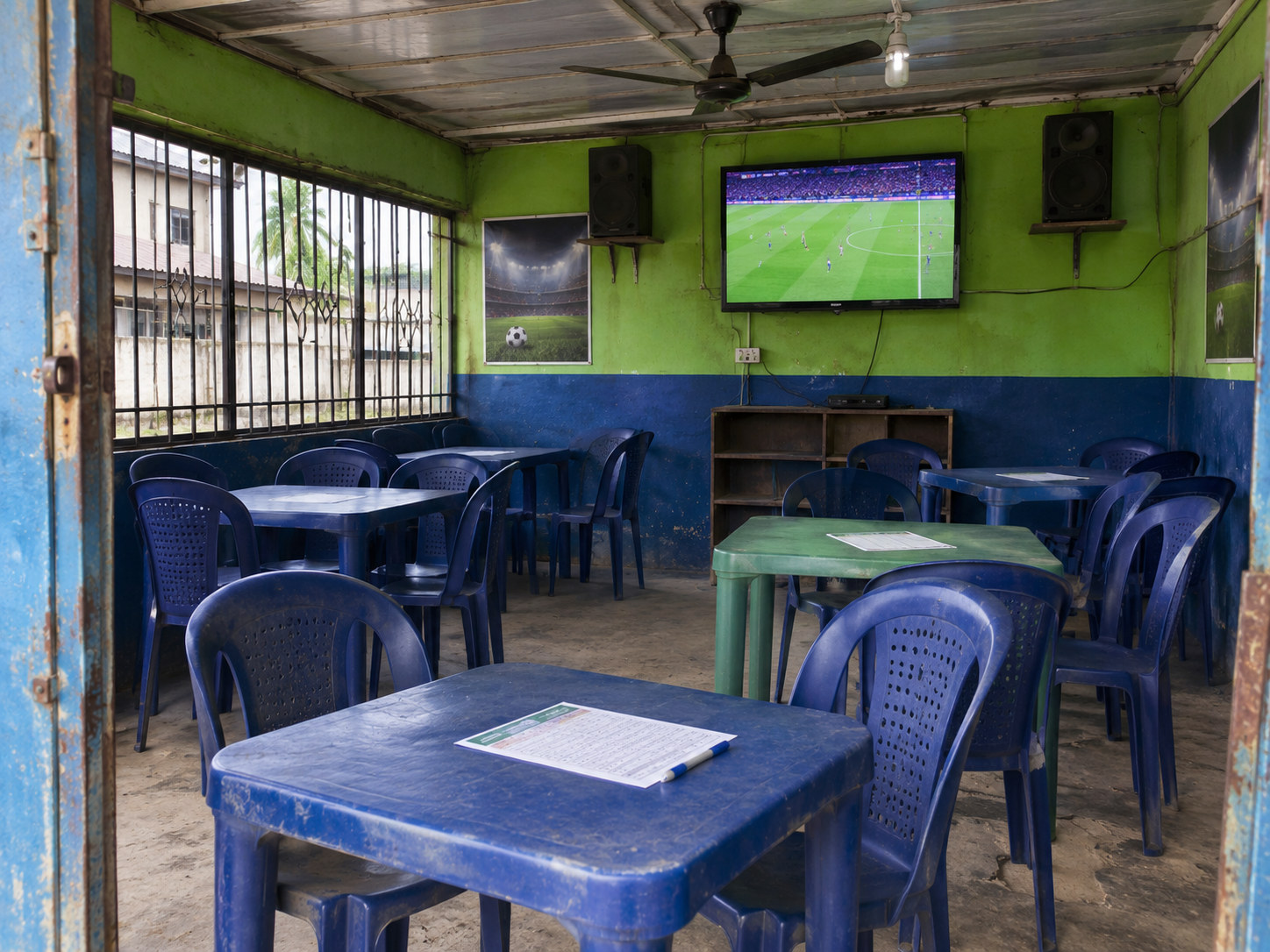

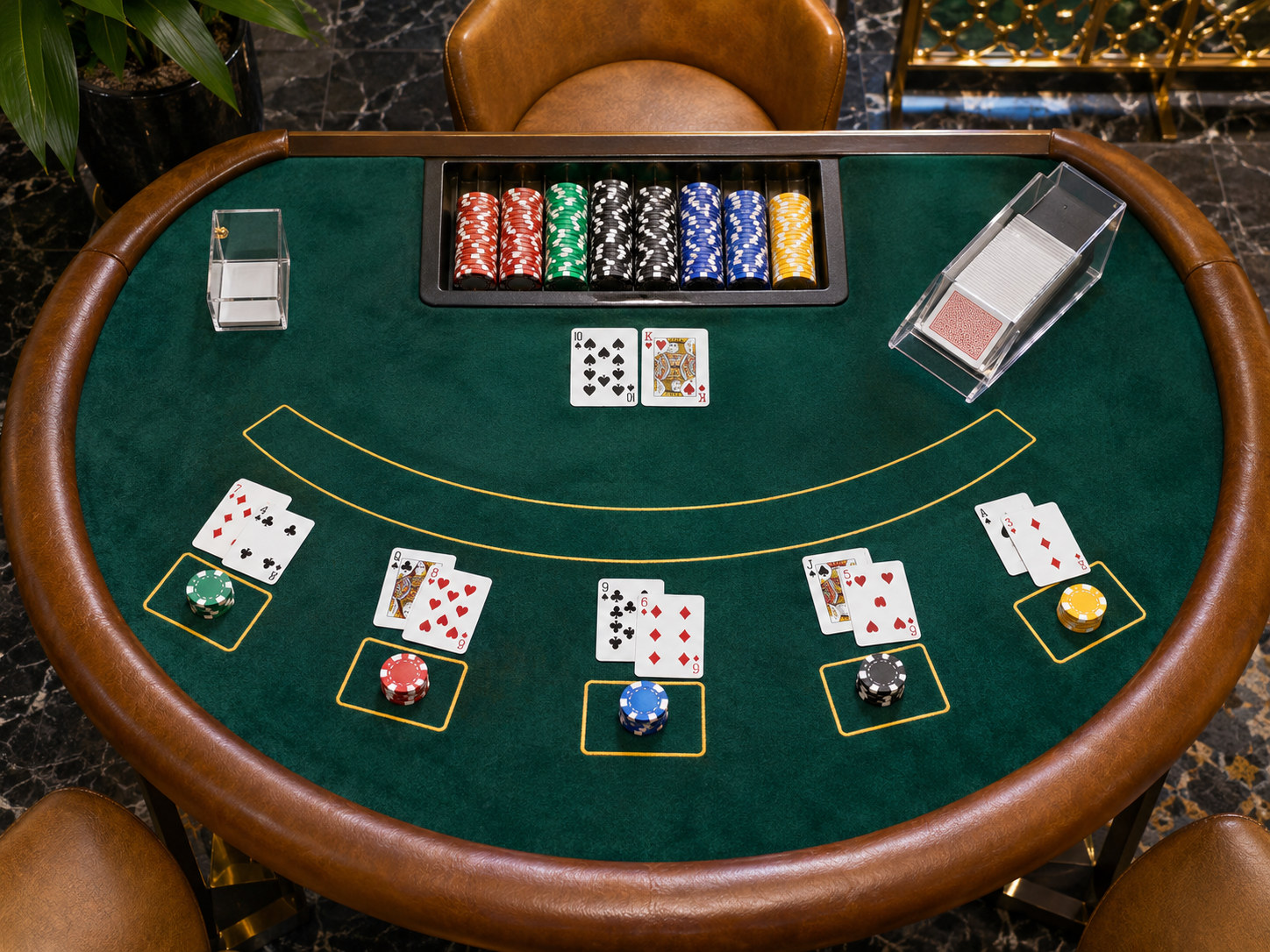
A blackjack hand can change with one decision. A roulette spin cannot. Both games appear alongside slots at online casinos serving Nigeria, but their costs come from different rules. At blackjack, the dealer's upcard and the table's payout terms matter. At roulette, the wheel's zeros set the house edge before any chips are placed. Stake limits, currency and withdrawal rules add another layer for anyone playing in Nigerian naira (NGN).
Blackjack vs roulette: the differences that matter
| Feature | Blackjack | Roulette |
|---|---|---|
| Main objective | Beat the dealer without exceeding 21 | Predict the winning pocket or a group of pockets |
| Source of uncertainty | Dealt cards and the dealer's final hand | The outcome of a spinning wheel or certified digital game |
| Player decisions | Hit, stand, double down, split; sometimes surrender | Choose bet coverage and amount before the spin closes |
| Indicative house edge | Near 0.5% under favourable rules with accurate basic strategy; other rules and mistakes increase it | 2.70% for standard single-zero European roulette; 5.26% for standard double-zero American roulette |
| Typical pace | Each hand requires choices | Players can place bets and wait for the result |
| Main rule to inspect | Blackjack payout, dealer soft-17 rule, doubling and splitting options | Number of zeros, special zero rules and the individual bet paytable |
Choose blackjack for a game where hit, stand, double and split decisions matter. Choose roulette for a fixed set of probabilities and a simpler betting round. A lower house edge is useful for comparing long-run cost, not predicting what will happen tonight.
How blackjack works
Blackjack commonly uses one to eight decks of 52 cards. Number cards count at face value; face cards count as 10. An ace counts as 1 or 11. If it can count as 11 without busting, the hand is soft ; otherwise, it is hard .
Players start with two cards and can see the dealer's upcard. The aim is to beat the dealer without going above 21. If the dealer busts, a hand still in play wins; equal totals usually mean a push and the original wager is returned. A natural blackjack means an ace plus a 10-value card in the first two cards. It normally beats a 21 made with three or more cards.
Five table actions and what they cost
- Hit: take another card and risk exceeding 21.
- Stand: keep the current total and end the player's turn.
- Double down: increase the original stake by the same amount and receive one final card. The extra stake is at risk.
- Split: separate an eligible opening pair into two hands and place a second stake. Rules for resplitting, split aces and doubling after a split differ between tables.
- Surrender: give up the initial hand and forfeit half the original stake, when the variant permits it.
Insurance becomes available when the dealer shows an ace. This separate wager generally pays 2:1 if the dealer has a natural blackjack. It is not a refund for a poor hand. Perfect Pairs and 21+3 are other side bets, each with its own paytable and house edge.
Why the blackjack payout matters more than the table design
On a ₦200 bet, a natural blackjack pays ₦300 profit at 3:2 , against ₦240 at 6:5 . Both return the original ₦200 stake. That payout change increases the house edge by roughly 1.39 percentage points if the remaining rules stay the same. A cheap-looking minimum bet can sit on an expensive 6:5 table.
The dealer may stand on soft 17 (S17) or hit on soft 17 (H17) ; H17 generally favours the house. Check the hole-card rule, doubling after splitting (DAS) , late surrender, the number of decks and restrictions on split aces. Even tables called European Blackjack, Classic Blackjack or Multihand Blackjack can use different rules. The game name is no substitute for the rule sheet.
Does blackjack basic strategy actually help?
Basic strategy chooses the mathematically preferable move for the player's cards, the dealer's upcard and the exact table rules. It reduces avoidable errors. It cannot reveal the next card or guarantee a win. A six-deck S17 strategy chart is not interchangeable with a chart written for another set of doubling or dealing rules.
Take a hard 16 against a dealer's 10. Hitting can be the better standard play when surrender is unavailable, despite the risk of busting. Conventional strategy usually splits aces and eights but keeps two 10-value cards together. An 11 against a dealer's 6 is often a doubling opportunity. These are examples, not universal instructions: the number of decks and table rules can alter the correct move.
Card counting tracks exposed cards to estimate what remains in a physical shoe. An RNG blackjack game that reshuffles every hand gives a counter no useful shoe history. Continuous shuffling at some live tables has a similar effect. A system advertised as a guaranteed way to beat online blackjack ignores those limits.
How roulette works: wheels, numbers and bets
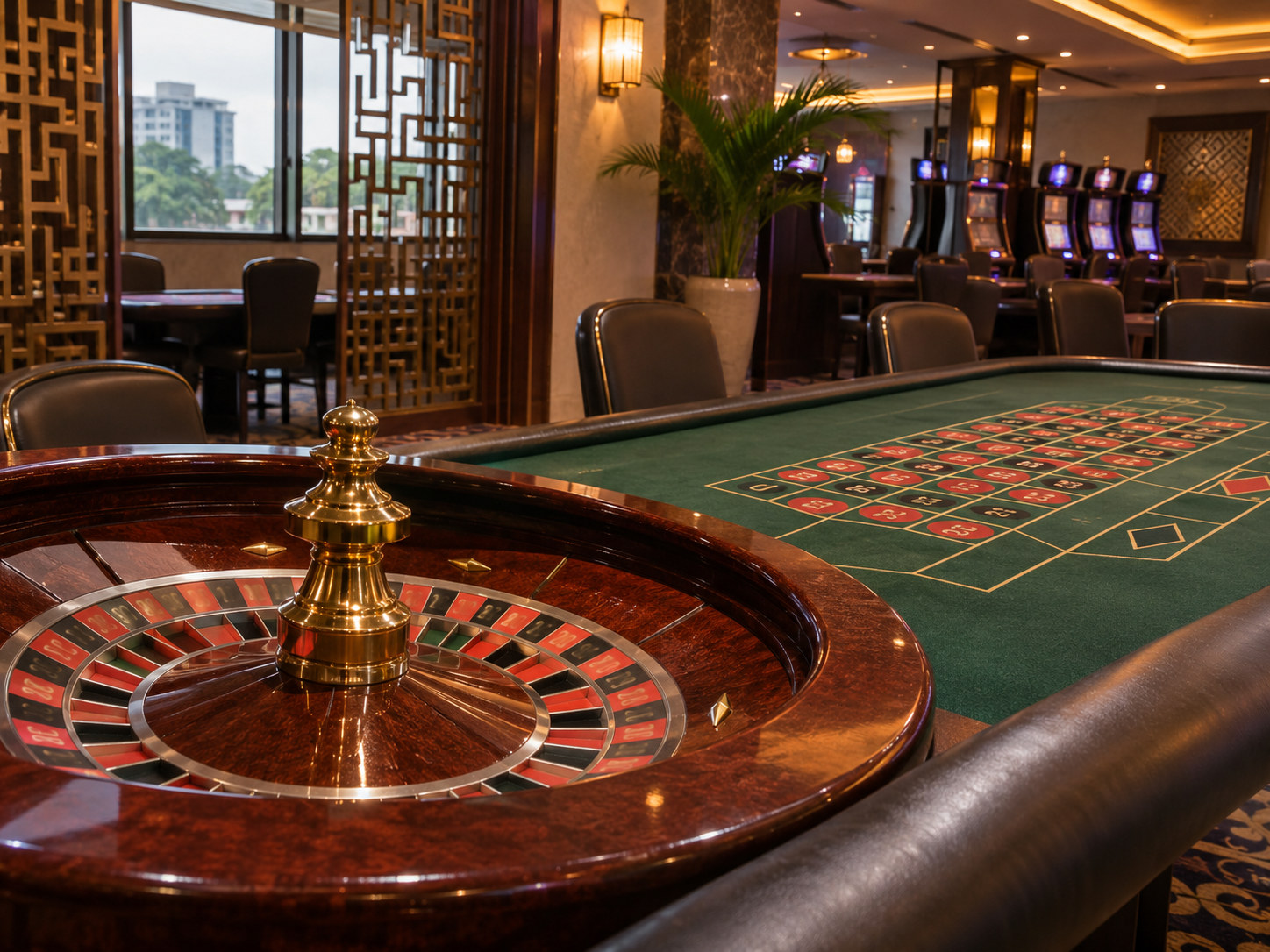
Roulette bets settle on the pocket where the ball lands. Chips can cover a single number, a line or a larger group; betting closes before the result. RNG roulette generates a digital outcome, while live dealer roulette shows a physical wheel. On a fair wheel, the last ten results have no effect on the next spin.
European, American and French roulette
| Variant | Wheel | Standard house edge | Decision point |
|---|---|---|---|
| European Roulette | Numbers 1 - 36 plus one 0: 37 pockets | 2.70% | Single-zero wheel |
| American Roulette | Numbers 1 - 36 plus 0 and 00: 38 pockets | 5.26% on most standard bets | Extra zero increases the house edge |
| French Roulette | Usually one zero: 37 pockets | 2.70% normally; 1.35% on even-money bets with La Partage | Check whether the zero rule applies to the selected table |
With La Partage , a losing even-money wager gives up only half its stake when zero appears. That cuts the house edge on those wagers to 1.35%. En Prison instead holds the even-money bet for a later outcome after zero, subject to the table's settlement rules. Neither feature comes automatically with the label “French Roulette.” American roulette also has a five-number basket bet with a higher house edge than most of its standard bets.
Inside and outside roulette bets
Inside bets cover one or a few numbers; outside bets cover larger sets. Narrower coverage means rarer wins and larger quoted payouts. The ratios in the table show profit, with the stake returned separately after a win.
| Bet | Numbers covered | Standard profit payout |
|---|---|---|
| Straight up | 1 | 35:1 |
| Split | 2 | 17:1 |
| Street | 3 | 11:1 |
| Corner | 4 | 8:1 |
| Six line / double street | 6 | 5:1 |
| Dozen or column | 12 | 2:1 |
| Red / black, odd / even, low / high | 18 | 1:1 |
A winning ₦200 straight-up bet returns ₦7,000 profit plus the ₦200 chip. Red or black pays ₦200 profit on the same stake. On a European wheel, one chosen number wins 1/37 of the time (about 2.70%); red wins 18/37 (about 48.65%). The green zero stops red and black from being even chances.
Switching from red to a single number changes how often a bet wins, not its expected return on a standard single-zero wheel. Call bets and the racetrack layout cover wheel sectors such as Voisins du Zéro , Tiers du Cylindre and Orphelins . They rearrange coverage. Zero still gives the casino its edge.
House edge, RTP and the cost of repeated stakes
House edge describes a casino's theoretical average share of turnover over many bets. Return to Player (RTP) describes the remaining share. Standard European roulette has 2.70% house edge and 97.30% RTP; standard American roulette has 5.26% and 94.74%. A blackjack table with favourable rules and accurate basic strategy may approach 99.5% RTP. The blackjack number is conditional on both the rules and the decisions made.
One hundred ₦200 roulette bets create ₦20,000 of turnover , even if the player's starting deposit was smaller. Using standard theoretical edges, the expected loss is about ₦540 on European roulette or ₦1,053 on American roulette. With La Partage applied to all those even-money bets, the figure is about ₦270 . A real session can end far above or below any of those averages.
Blackjack can put more than the opening bet at risk when a player doubles or splits. A ₦200 table minimum is not necessarily a ₦200 limit per hand. Slots have a different trade-off: published RTP gives a long-run average, while volatility describes how unevenly wins may arrive. Neither measure predicts a single session's payout.
Roulette systems and blackjack myths
Martingale doubles a roulette stake after a loss. Start at ₦200 and five consecutive losses cost ₦6,200; the required next bet becomes ₦6,400. A ₦10,000 budget cannot cover that sequence. Table maximums can stop it sooner. Fibonacci , D'Alembert and flat betting change how much is staked, not the roulette wheel's house edge.
The gambler's fallacy makes five reds look like a reason to expect black. The wheel has no memory; a history screen records spins rather than forecasting them. Blackjack hands are not linked by a winning streak either. Insurance does not recover earlier losses, and claims about “sure signals” or guaranteed recovery do not withstand the maths.
Live dealer or RNG: what changes online?
RNG games generate digital results and usually let players proceed without waiting for a shared table. Live dealer games stream physical cards or wheels from a studio, with a countdown before bets close. Some include chat, shared seats and Bet Behind , where a separate wager follows another blackjack player's hand. A live stream needs a more reliable connection than most digital table games.
Evolution , Pragmatic Play Live and Playtech supply live casino games. Catalogues may list Auto Roulette , Speed Roulette , Lightning Roulette or multihand blackjack. Do not infer an RTP from the title: multipliers and side bets can change payouts. The rules for the selected game settle that question.
Digital tables require appropriate RNG testing. Live tables need controls for equipment, shuffling, wheel integrity and recorded results. Seeing a dealer on screen does not prove that a casino holds a valid licence or will handle a complaint fairly.
Playing from Nigeria: NGN, phones and withdrawals
A useful first check for a player in Nigeria is the currency shown at the table. Are the minimum and maximum bets in naira , or will the account convert NGN- Does the game load reliably over an MTN or Airtel connection- Can the verified account holder receive withdrawals using an available local method- These details can matter more than a long game catalogue.
Payment options at some casinos include Nigerian bank transfers, debit cards, USSD and services such as OPay. Availability varies by operator. Paystack can appear as a payment processor without being offered as a direct withdrawal method. Check deposit and withdrawal limits, fees, processing times and exchange-rate terms. The payout beneficiary must match the verified account holder.
Know Your Customer (KYC) checks may require identity, date of birth and evidence that the payment method belongs to the player. A deposit can clear before the operator asks for withdrawal documents. Welcome bonuses , free spins and cashback may come with wagering requirements , game-contribution rates, maximum-bet limits, expiry dates or withdrawal caps. Blackjack and roulette often contribute less than slots towards bonus turnover, and some offers exclude them. The headline bonus amount does not reveal those conditions.
Live video can consume more mobile data and is more sensitive to a weak signal than an RNG game. A dropped stream need not void a bet that the table already accepted. The round record and the operator's disconnection policy govern settlement. Bet history, transaction records and a way to dispute a round are worth checking on Android, iPhone and mobile web alike.
Licensing and player protection in Nigeria
Nigerian casino licensing is not a single nationwide badge. Following the Nigerian Supreme Court judgment of 22 November 2024 , lottery and gaming regulation in the 36 states rests with state authorities; the Federal Capital Territory (FCT) follows a distinct federal arrangement. In Lagos, the Lagos State Lotteries and Gaming Authority (LSLGA) publishes a licensed-operator register , including online casino categories. The FCT Lottery Regulation Office publishes information for the territory. A National Lottery Regulatory Commission (NLRC) logo on its own is not evidence of current authorisation in the player's jurisdiction.
An operator should identify its legal entity, relevant licence, game rules, complaint route, privacy terms and customer support. Payment security and age checks also matter. Gambling in Nigeria is restricted to adults aged 18 and over , while available licences and local restrictions can vary across jurisdictions.
Deposit limits , loss limits, session reminders, cooling-off periods and self-exclusion help control exposure when a casino actually enforces them. Borrowed money and attempts to win back rent or previous losses are warning signs. Gamble Alert Nigeria provides support for gambling-related harm; SafePlay offers a Nigerian self-exclusion channel linked to player protection in Lagos.
Choosing a game for a particular playing style
For decision-led play: blackjack has meaningful hit, stand, double and split choices. That suits someone prepared to use the correct basic strategy for a 3:2 table and to account for extra stakes. Side bets can spoil the lower-edge advantage.
For simple probabilities: European roulette gives every standard wager the same 2.70% house edge. The choice between dozens, columns, even-money bets and straight-up numbers mostly changes the size and frequency of wins. A single-zero wheel and any La Partage rule are the consequential details.
For a smaller NGN budget: the minimum bet tells only part of the story. Repeating a ₦100 roulette stake quickly adds turnover; doubling or splitting on a ₦200 blackjack table can demand more cash during a hand. The number of rounds matters as much as the first chip.
For phone-based play: an RNG table is usually less demanding on mobile data than a live broadcast. Clear controls, a stable connection and a reliable record of settled bets matter on either format.
For casinos and slots: blackjack and roulette are table games, not slots. Progressive jackpots , baccarat and crash games such as Aviator may share the lobby, but each has different rules, RTP , volatility and bonus eligibility.
Blackjack and roulette questions
Which offers better odds, blackjack or roulette?
With favourable table rules and accurate basic strategy, blackjack may have a house edge near 0.5%. Standard European roulette sits at 2.70%. A 6:5 blackjack payout, restrictive rules or repeated errors can make that gap much smaller.
Is roulette a 50 - 50 game when betting red or black?
No. European roulette has 18 red pockets, 18 black pockets and one zero: red wins on 18/37 spins, about 48.65%. The second zero on an American wheel changes that to 18/38, about 47.37%.
Can a blackjack strategy or roulette pattern guarantee a win?
No. Blackjack basic strategy limits avoidable losses under its stated rules; roulette staking systems do not change the odds of a spin. Neither can guarantee profit.
Are blackjack and roulette available on Nigerian mobile phones?
Yes, digital and live blackjack and roulette appear in mobile casino catalogues marketed to Nigeria. Game selection, access by location, currency, bet limits and compatibility still vary by operator.
Can winnings be withdrawn in Nigerian naira?
Some casinos offer NGN accounts and local withdrawals, but not all do. Identity checks, payment ownership, minimum payout thresholds and processing times still apply. Non-NGN balances can attract conversion charges.
What happens when a live casino connection drops?
A round may continue after the stream disappears if the wager was accepted. The casino's recorded result and disconnection terms determine settlement. A round ID and bet history help identify a disputed hand or spin.
Do blackjack and roulette count towards casino bonuses?
Not always. Bonus terms can apply different contribution rates to slots, blackjack, roulette and live games, or exclude particular tables. Bonus contribution and a game's RTP are separate calculations.
A ₦200 table minimum is easy to spot. The rules that determine what a natural blackjack pays, how zero is handled or when a withdrawal clears take more reading. Those details decide what the same ₦200 actually buys.